When you are selecting a gift hamper, your focus naturally lands on what’s inside. You meticulously select gourmet chocolates, artisanal soaps, fine wines, and specialty treats—all wonderful items in their own right. But if those perfect contents arrive haphazardly tossed into a plain wicker basket, the overall impact is lost. It’s true that a great gift deserves more than just good ingredients; it needs an experience. This is why understanding why is presentation so important for gift hampers? The answer lies not in aesthetics alone, but in psychology—the science of how we perceive value and emotion before we even open the box.
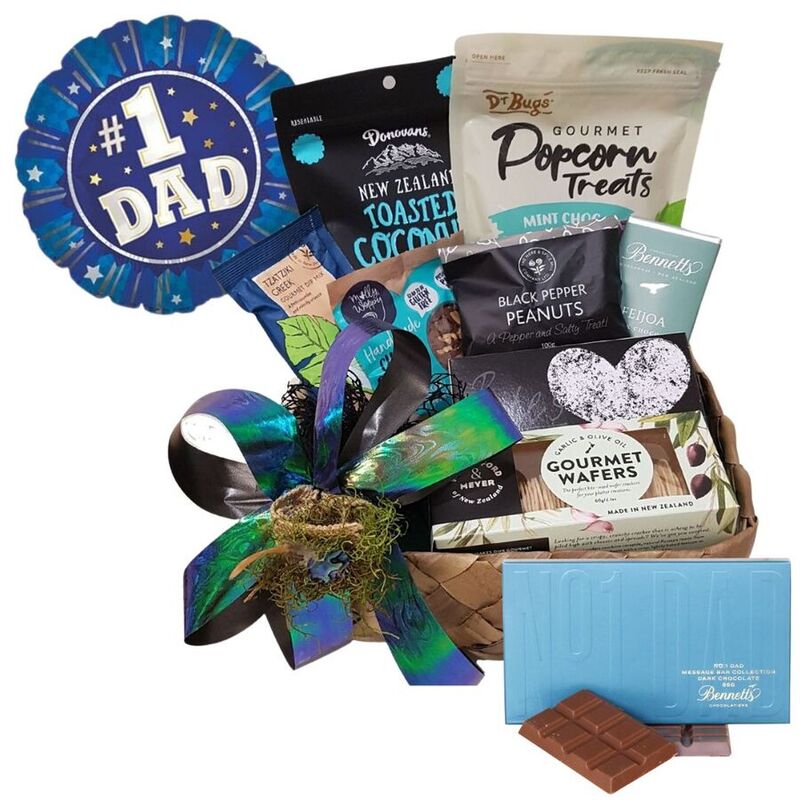
A hamper should feel like a curated journey, not a pantry cleanout. When done right, excellent presentation transforms a collection of goods into a cohesive narrative, telling the recipient that they are valued with thought and care. If you’ve ever struggled to choose the perfect gift that truly makes someone say "Wow," keep reading. We'll explore how thoughtful packaging elevates even the most delicious contents.
The Psychology of the First Impression
In consumer psychology, we know that the first impression is often the lasting one—and in gifting, the 'first impression' happens before the recipient smells a single truffle or tastes a drop of wine. This initial visual encounter sets expectations for everything that follows. If the exterior suggests carelessness, the contents might be subconsciously assessed as such, regardless of their quality.
Think of presentation as the emotional handshake of your gift. It’s the non-verbal assurance of quality and effort. A beautifully wrapped hamper signals that the giver took time; it speaks volumes about the care invested in the recipient's happiness. Isn't the act of giving itself meant to evoke positive feelings? The packaging must work alongside those intentions, acting as a gentle guide that leads the recipient into the experience you’ve created.
Elevating Perceived Value and Craftsmanship
One of the most tangible benefits of excellent presentation is how it boosts perceived value. A luxury item displayed simply can look cheap, even if it's expensive. Conversely, taking simple, high-quality items and arranging https://brooksrkob984.cavandoragh.org/the-ultimate-guide-where-to-find-bespoke-grooming-kits-for-mature-fathers them artfully—using natural fillers, complementary textures, and elegant ribbons—makes them feel more substantial and luxurious.
It transforms disparate parts into a singular, unified object of beauty. Instead of seeing individual items (a soap bar here, some nuts there), the recipient sees The Gourmet Experience. This technique is akin to taking a raw diamond and mounting it in an intricate setting; the setting doesn't hold up the stone, but it showcases its brilliance.
For instance, I once helped arrange hampers for a client celebrating retirement. The contents were phenomenal—rare cheeses, local honey, artisanal crackers. But when we finally presented them, using slate boards and stacked linen napkins as structural elements, the clients gasped. They weren't just impressed by the cheese; they were impressed by the display. It completely changed how people talked about the gift afterward.
Designing for the Unboxing Moment
The modern gifting world has centered on the "unboxing experience." This concept is perhaps the most critical element when determining why is presentation so important for gift hampers? The unboxing moment is a carefully choreographed performance, and if any step fails—a sticky ribbon, a flimsy box, or items rattling around inside—the magic dissipates instantly.
The process of opening should be delightful. It should feel like peeling back layers of anticipation. Consider the tactile elements:
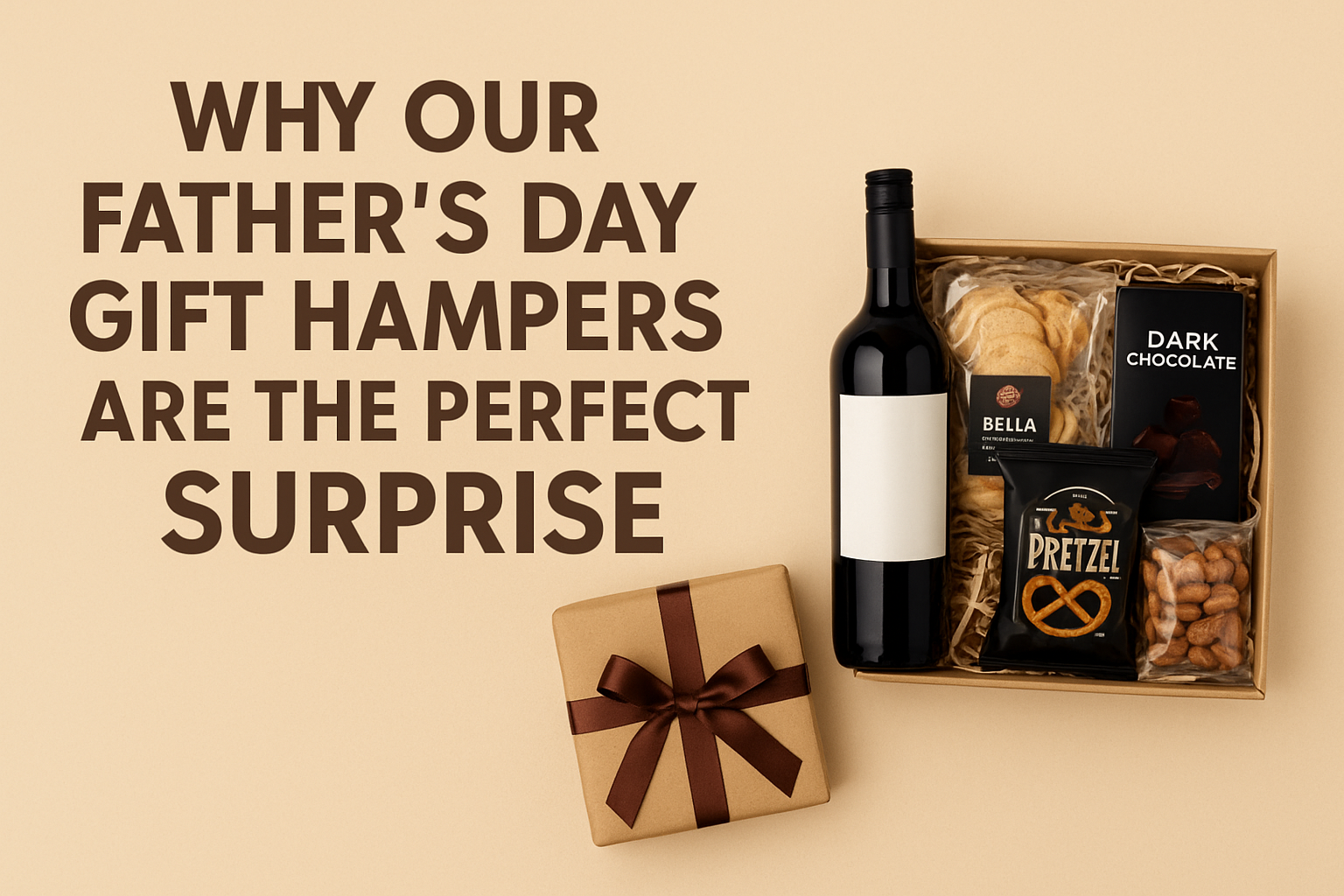
- The Structure: Is the basket sturdy? Does it hold its shape when full? The Fillers: Are they natural and complementary (like shredded wood or crinkle paper), or do they look like office junk? The Details: A personalized tag, a hand-written note included within the box—these small touches are often what make the difference between a nice gift and an unforgettable one.
As interior designer and packaging expert Marie Kondo wisely suggests, "Belonging to something good is a feeling." The unboxing experience must deliver that feeling instantly. Do you want your recipient to feel surprised delight, or merely mild confusion?
Tailoring the Aesthetic to the Occasion
A universal gift hamper aesthetic would be like wearing one outfit for every event—it simply wouldn't work. Presentation must be highly context-aware. The way you style the hamper needs to match the Home page reason for the gift and the personality of the recipient.
If the occasion is a sophisticated anniversary, think deep jewel tones, velvet ribbons, and structured boxes. If it’s a rustic housewarming, natural jute, simple twine, and wood elements work best. The presentation should whisper: "I know you." This level of customization shows thoughtfulness that goes far beyond simply buying a basket labeled 'Luxury.'
We must remember that the hamper is a physical manifestation of an emotional thought. Therefore, it requires visual language. Does your chosen style speak to joy? To relaxation? To celebration? Choosing the right aesthetic ensures the gift communicates exactly what you intend.
Crafting Lasting Memories Through Thoughtful Design
The true art of gift presentation is not merely about making something look pretty; it's about curating a memory. It’s ensuring that when the recipient sees the box or basket months later, they aren't just remembering the contents, but the feeling of receiving it—the anticipation, the elegance, and the care taken by the giver.
If you approach your next hamper with the mindset that you are directing an experience rather than assembling a collection, everything will change. Start simple: examine your existing gift packaging critically. Does it deserve to be better? How can you introduce one element of elevated design—perhaps swapping plastic filler for dried botanicals, or upgrading the ribbon from satin to raw silk?
By paying attention to these details, you move beyond simply giving a product and start gifting an emotion. Mastering this art ensures that your thoughtful gesture resonates long after the last crumb has been eaten. Start planning now by considering every touchpoint—from the moment the package arrives at the doorstep until the last elegant ribbon is untied.